Why Some Things Are Too Good To Keep Pristine

Why Some Things Are Too Good To Keep Pristine

There's a moment, usually somewhere a few years into wearing something properly, when a garment truly becomes yours. The fabric has learned the shape of your shoulders; the elbows have creased in the places your arms actually bend. The colour has shifted, not faded so much as settled. This is the moment I want to talk about, because I think it's one of the quiet pleasures of a life spent around objects, and because it tells us something important about how we choose them in the first place. For this story, we've photographed members of the team with vintage Oliver Spencer pieces and personal objects that are ageing beautifully. What interests me about those portraits is not simply that the things have survived, but that their owners have kept them close, which is a decision about affection, not just durability.

Man in a green jumper leaning on a brick wall holding a waxed canvas holdallVintage cognac bottle in an open wooden presentation box

This is the ambition anchoring the current Oliver Spencer collection: clothes designed to remain worth wearing, rather than simply to remain intact. Leather, indigo and corduroy each offer a different possibility for living with change. But longevity also depends on choosing a shape we enjoy, caring for it appropriately, and attending to a loose seam before it becomes a reason to replace the whole garment.

Not everything improves with age, of course. Most things don't. A cheap cotton tee goes grey and shapeless; a mass-produced paperback loses its spine on the second read. Time is not automatically a gift. But there is a particular category of object - and I'd argue it's a broader category than we usually admit - for which age is not a kind of slow decay but a kind of slow completion. Some things are transformed before we buy them, through patient maturation. Others change in our hands, through use. And some become more valuable without materially improving at all, simply because we grow attached to them.

Back of a worn tan suede bomber jacketSteel dive watch on a mesh bracelet

Take whisky as an example. A single malt does not improve once it's in the bottle; whisky stops maturing the moment it leaves the cask. What improves is what the bottle represents: the years it spent in an oak cask, slowly extracting flavour and colour from the wood. It is patient maturation rather than accidental patina, but the underlying idea is the same: something had to be somewhere, for a long time, and the long time changed it. Older is not automatically better - a whisky's age is a guide, not a guarantee - but the point is that the time did the work, not the marketing.

The same logic runs through interiors. An oak dining table starts out pale and rather generic. Over years of family dinners and spilled wine and homework and elbows, the surface can slowly darken into something richer, and I can begin to read some scratches and dents as history rather than defects. What draws me to reclaimed parquet is not that old timber is necessarily superior to new, but that its surface already belongs to a life beyond the showroom.

Close-up of a worn black leather jacket with chest pocketPair of worn black leather Oxford shoes

The reason this matters, and the reason it's not just an aesthetic preference, is that it's an argument about what things are for. A whisky is built to be aged; an oak table is built to be sat at. Their value is not stored, it is produced, over time, by use. Which brings us, finally, to clothes, the territory where this idea is most vivid, and where it has the most to prove.

The leather jacket is the clearest case, and it is where the Hardwick, the Westbury and the Norton sit in this season's collection. A new leather jacket is handsome, but it is also a little stiff, a little self-conscious. Over years of wear, the leather can soften and darken; creases form at the elbows; the surface develops a particular sheen that only handling produces. Different leathers and finishes age differently, of course, but the general direction of travel is the same: away from stiffness and towards something that looks and feels yours. The patina is not damage; it is evidence of a life well lived.

Close-up of a faded indigo denim zip jacketVintage Werra film camera

Denim is where the case is most interesting. In rope-dyed indigo denim, the indigo does not fully penetrate the cotton yarn: it coats the outside in thin layers, leaving a paler core, a technique called ring dyeing. Because the dye sits near the surface, friction from your legs, your wallet, your daily walk to the bus stop gradually wears away the outer layers of blue and reveals the paler core underneath. It has faded, certainly. What interests me is the pattern of that fading: the different shades produced by where the cloth bends and rubs - whiskers at the hips where you bend, honeycombs behind the knees where you sit, wear at the pocket edges where your phone lives.

The current collection's Utility Trousers in Westall Denim and Corby Shirt in Mullins Denim bring that attraction to indigo into focus: indigo-dyed cotton that will not stay the colour it is in the shop. It will get paler, and more interesting, and more yours.

Indigo extends past denim into the jersey pieces, too. The Conduit T-shirt and Mersey Polo in Hickman Indigo, alongside the Harrison Jersey in Lester Indigo, bring the same question into everyday dressing: do I want a colour to remain pristine, or am I happy to discover what familiarity might look like?

Man in a brown corduroy jacket and green knitted tieVintage copy of The Crossing of Antarctica by Fuchs and Hillary

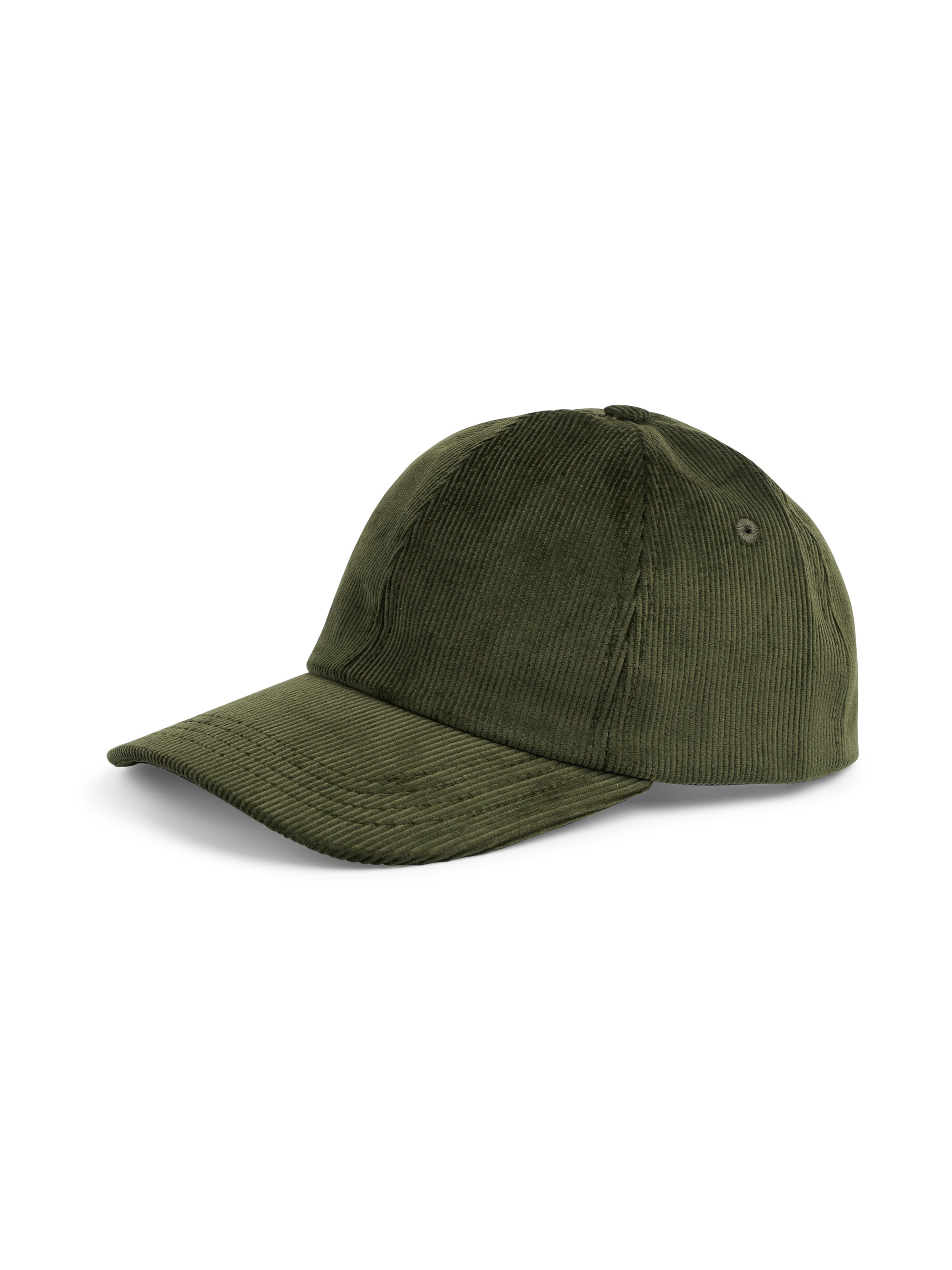
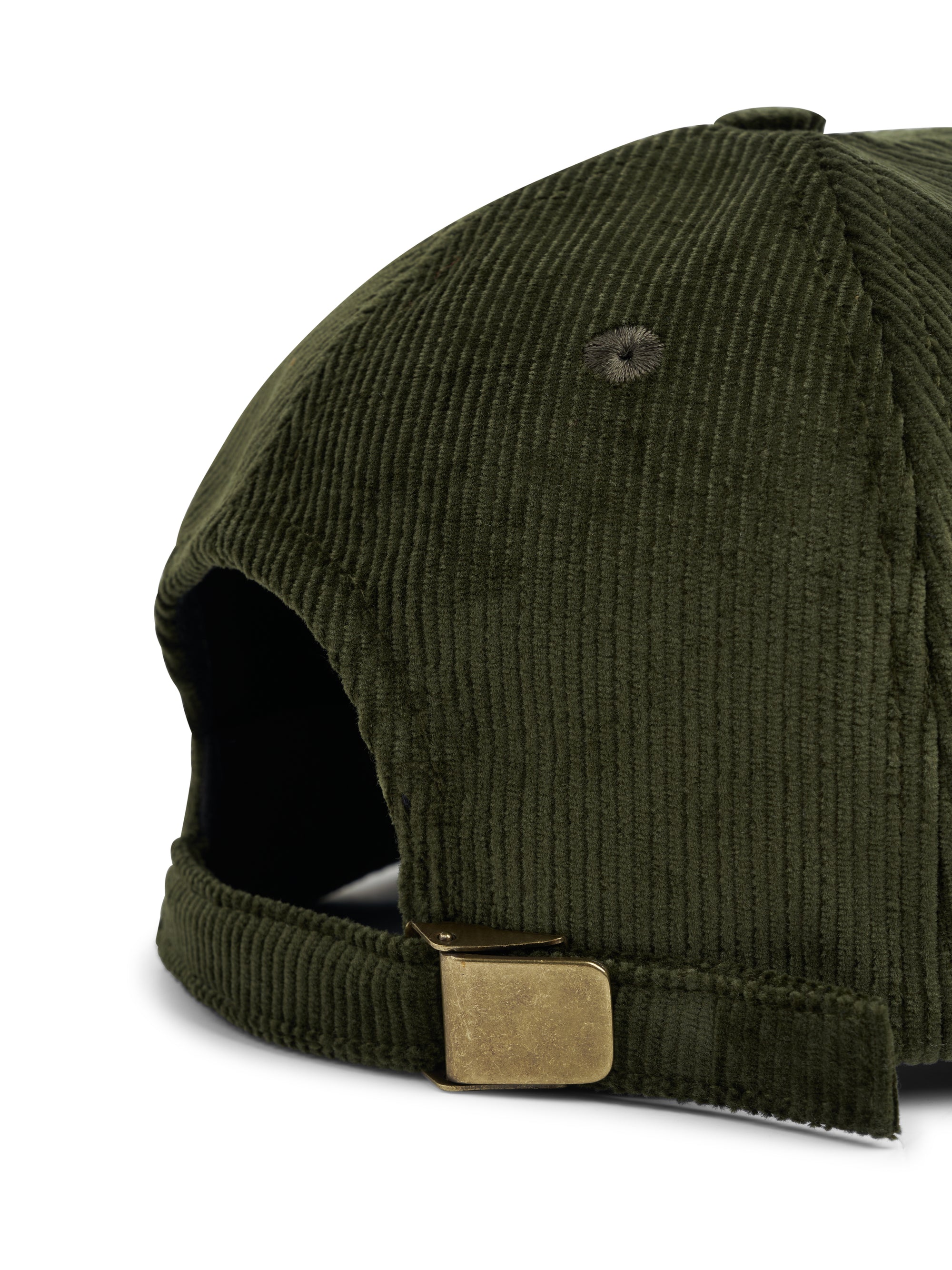
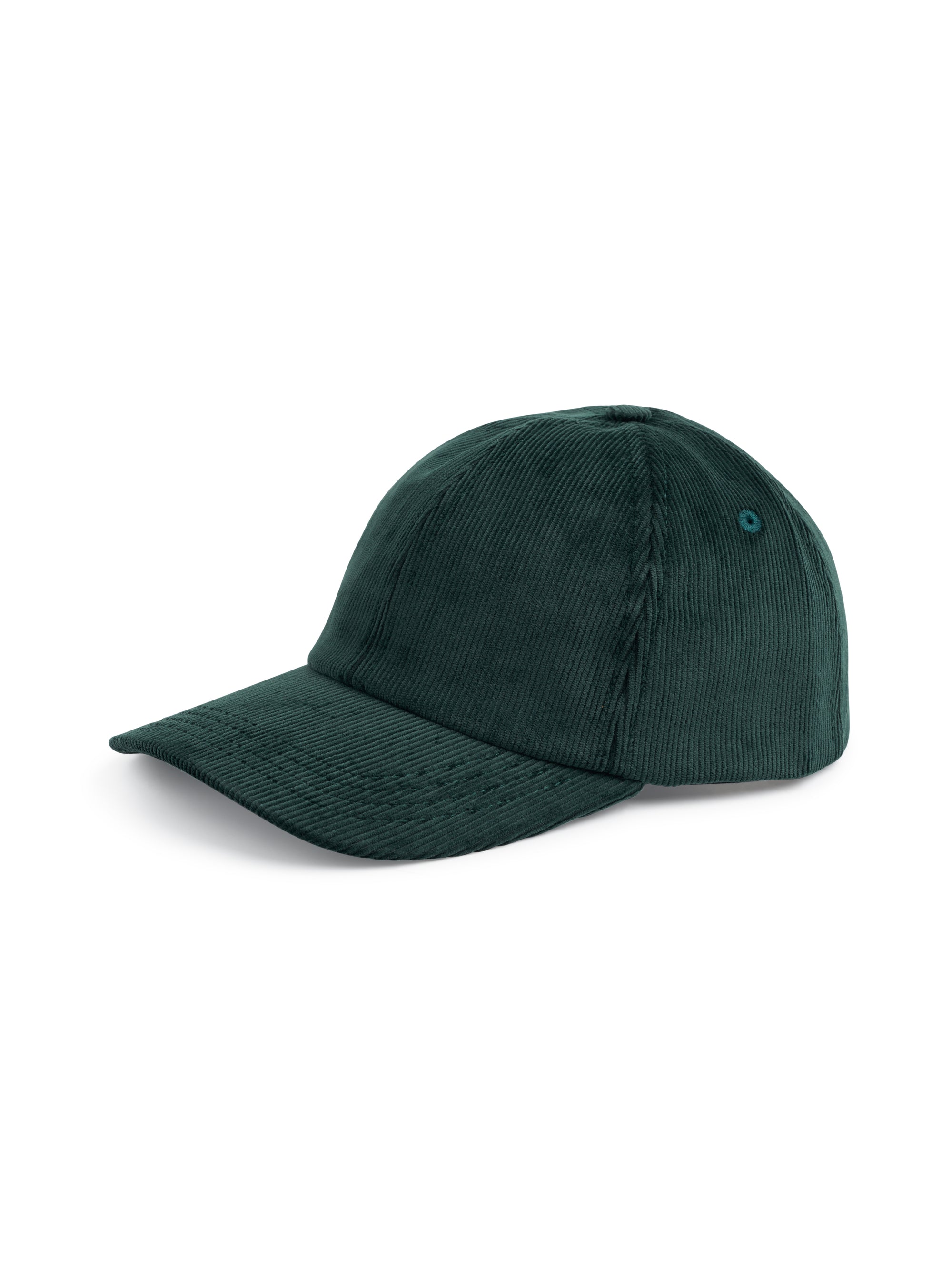
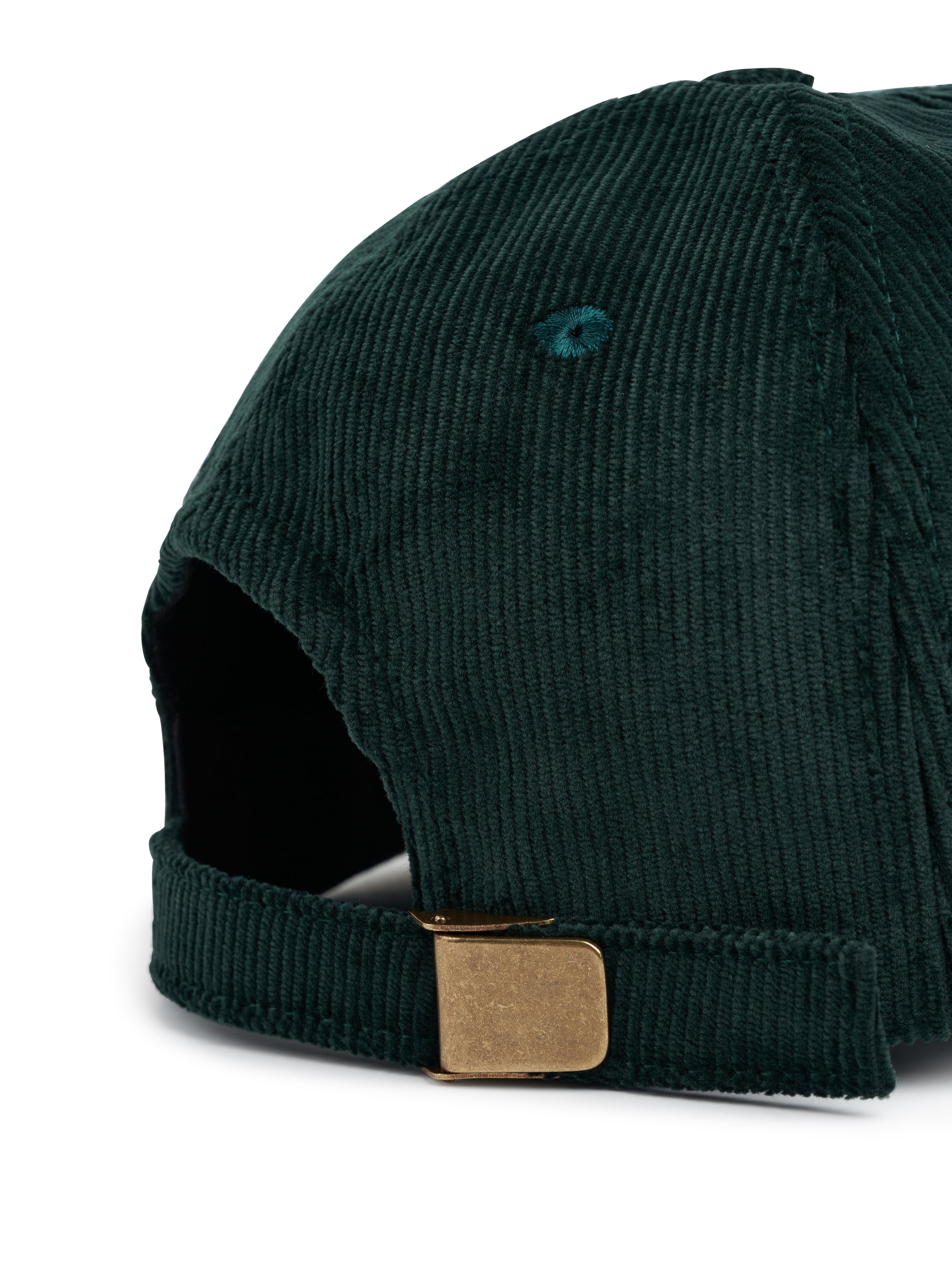
Corduroy, too, has its own relationship with time, and it is gentler than denim's. Cord does not fade dramatically; it softens and flattens. The wale - the raised ridge that gives corduroy its texture - slowly settles and loses its crispness. For me, well-worn corduroy can look comfortable rather than shabby, which is the appeal of the Camberwell Jacket in Ivers Cord Navy and the Morton Pleated Trousers in the same cloth.

So what does all this say about how we choose what to buy? Three things, I think.

The first is that it's worth paying attention to materials. Not every material improves with use; some merely endure it. Leather, indigo-dyed cotton, corduroy, suede, wool, oak - these are materials with an internal structure that responds to time. You're buying a thing with a future.
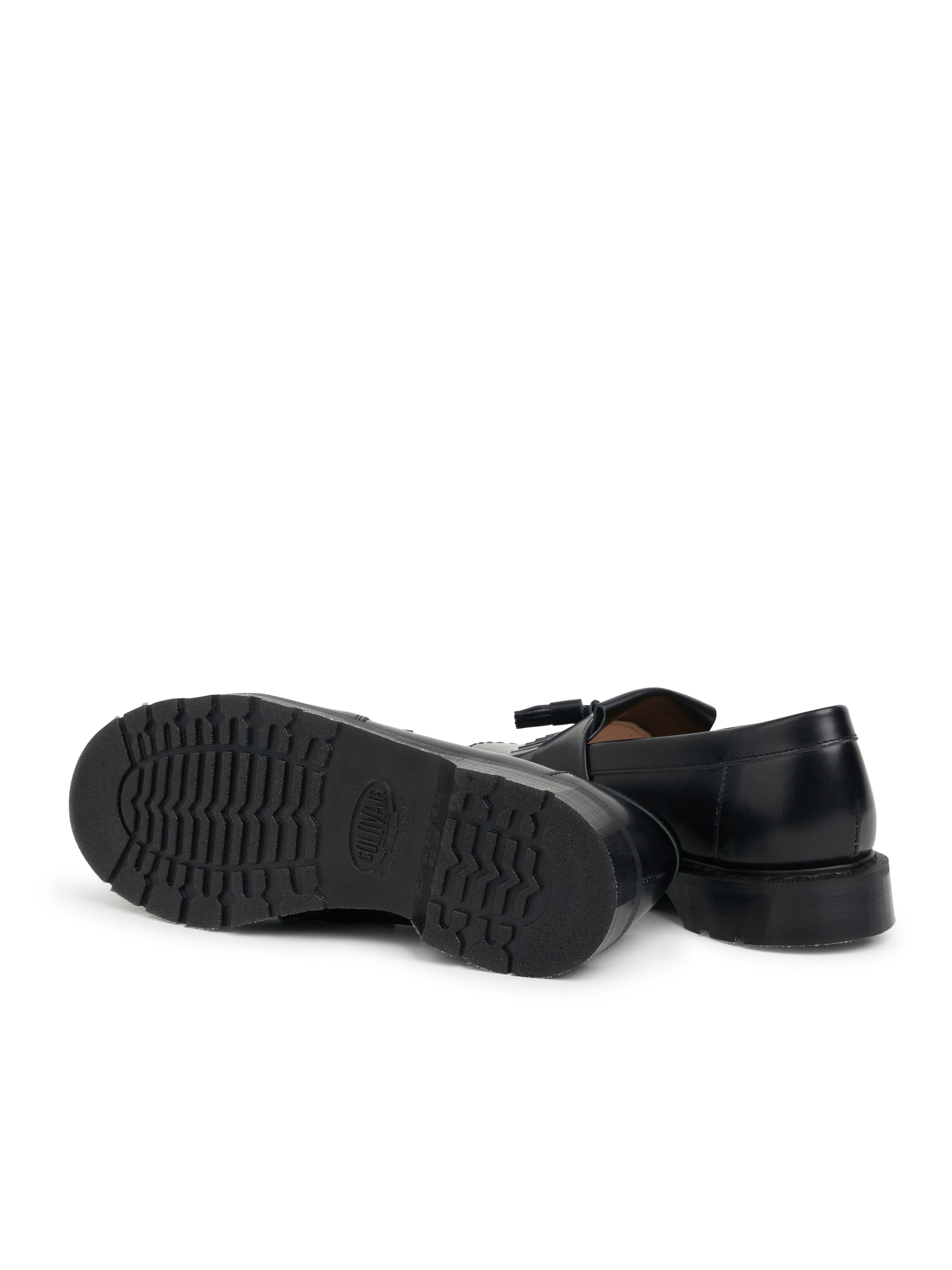
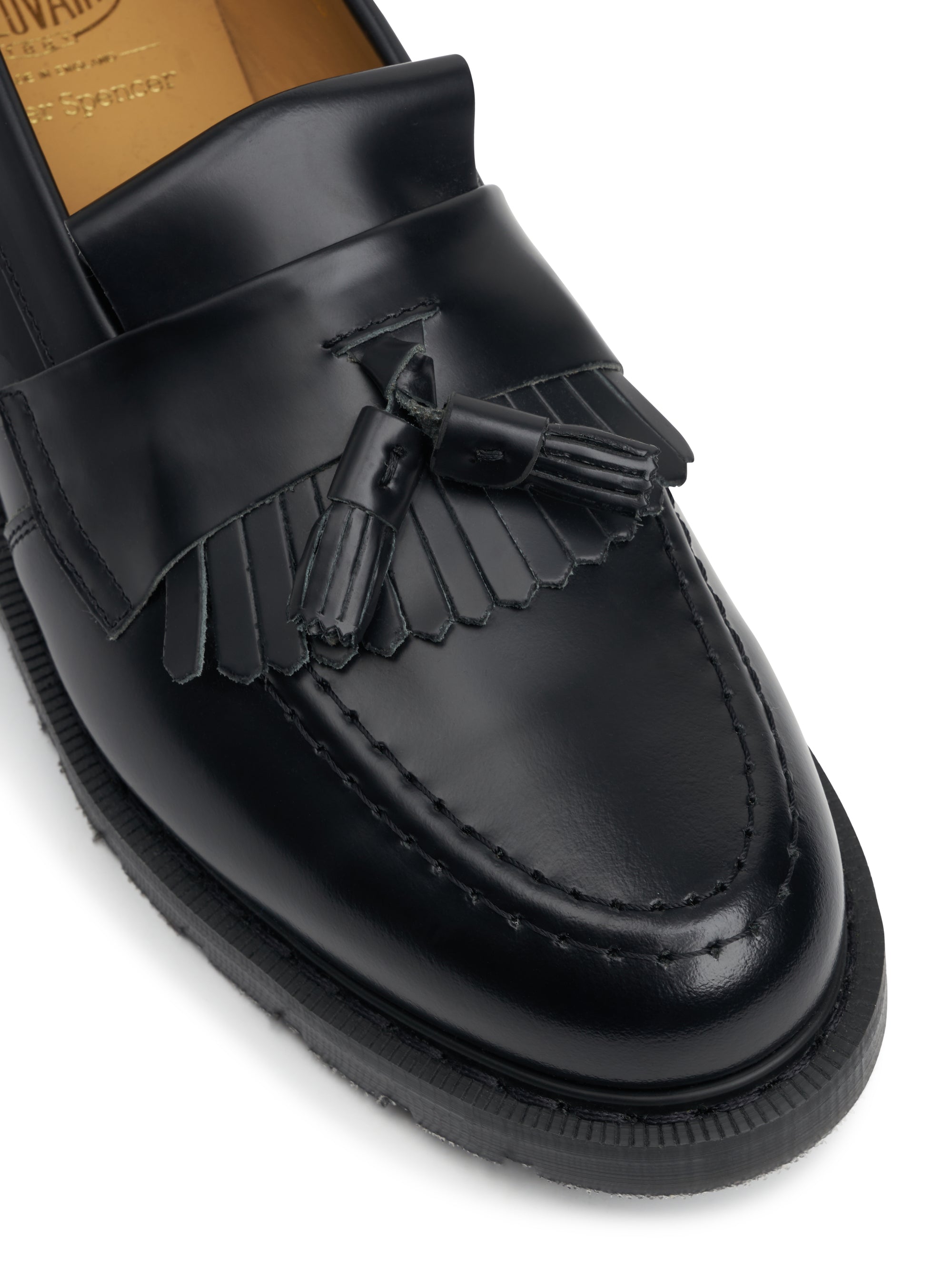
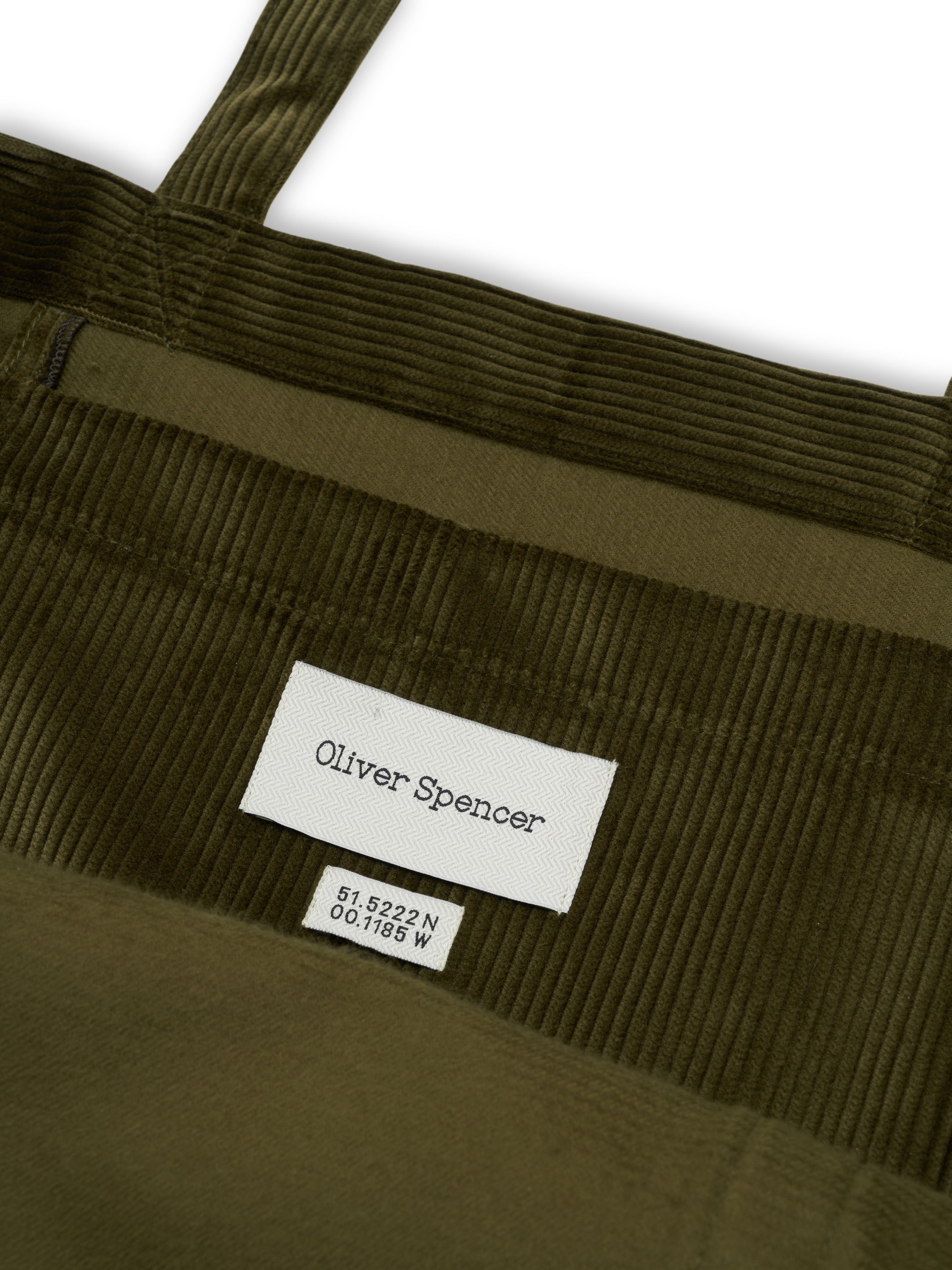
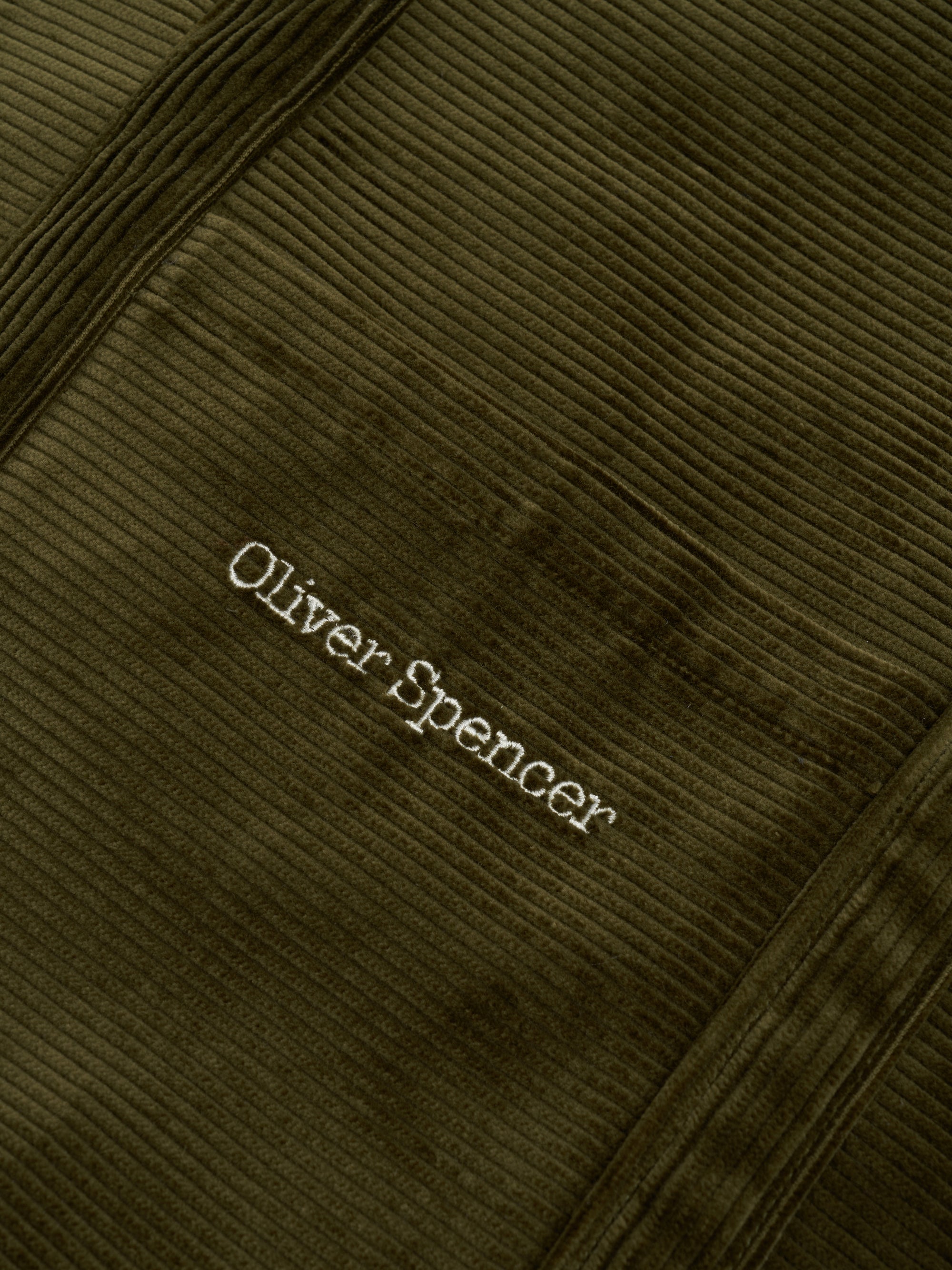
The second is that care is not separate from use; it is part of it. Keeping something untouched would rather miss the point, but using it does not look after it on our behalf. Following the care advice for its particular material, repairing a loose seam and attending to a small problem before it becomes a large one are less romantic than talking about patina. They are also what make the romance possible.

The third is that this is not just about objects, it's about the relationship between an object and a person. What I want from something new, then, is not the promise that it will stay new. I want room for familiarity, for it to become a dependable part of ordinary life. Longevity begins with how something is made. It continues with the reasons we find to keep it.

← Older Post

Journal

RSS
Alpaca Knitwear: Your New Favourite Winter Fabric

Alpaca Knitwear: Your New Favourite Winter Fabric

Our Brady fabric consists of 30% alpaca, bringing a silky softness and unique textural quality to our crew necks, cardigans, and winter accessories.

Read more
In Conversation: Freddie Foulkes

In Conversation: Freddie Foulkes

Freddie Foulkes opened his own gallery in a Shepherds Bush railway arch this March and features in our Autumn '26 campaign. We caught up with...

Read more