In Conversation: Jack Stanley and Nick Payne-Baader & Of SLOP Magazine

In Conversation: Jack Stanley and Nick Payne-Baader & Of SLOP Magazine

We sat down with Jack Stanley and Nick Payne-Baader, co-founders of cult indie magazine SLOP, to discuss the story behind one of the most distinctive food publications to emerge in recent years. From its irreverent name and bold orange cover to its deeply thoughtful storytelling about provenance, craft and the landscapes that shape what we eat, SLOP has carved out a unique space in food media. In this conversation, they reflect on the journey so far, the lessons of launching a physical magazine, and the new Forest Issue.

Jack Stanley and Nick Payne-Baader outside the Oliver Spencer store on Berwick St in Soho

Jack; You’ve built a strong career writing for titles like GQ and Esquire, and as a creative strategist. What sparked the decision to co-found SLOP — a magazine entirely dedicated to produce and the people behind it?

Jack: I’ve worked in magazines for the last decade and always wanted to do my own thing, shaping something from the very beginning and seeing where it went. A few years ago, my friend Nicolas and I were discussing the state of food media, and how few titles really spoke to us and our interests. Nick had worked in food and hospitality for years and is a real expert, so we decided just to go for it.

The name ‘SLOP’ feels deliberately bold and playful. What does it mean to you, and why did you choose it for a magazine that celebrates beautiful ingredients and thoughtful storytelling?

Jack: I think it’s exactly that. One of the things we always say is that the magazine talks about things we think are important – provenance, craft, care – but it doesn’t take itself too seriously. Calling it SLOP and making it bright orange is hopefully proof of that. Having a playful aesthetic encourages people to pick up the magazine and read it, introducing them to the things we care about.

Nick: We definitely have a thread somewhere of the two of us suggesting what were, in retrospect, terrible names. We wanted something that was both food and farming related, so ‘slop’ being a name for pig feed, but also a sort of unprecious approach to food, felt perfect. It was about a year before it started being used in an AI context.

Jack Stanley portrait SLOP magazine detail
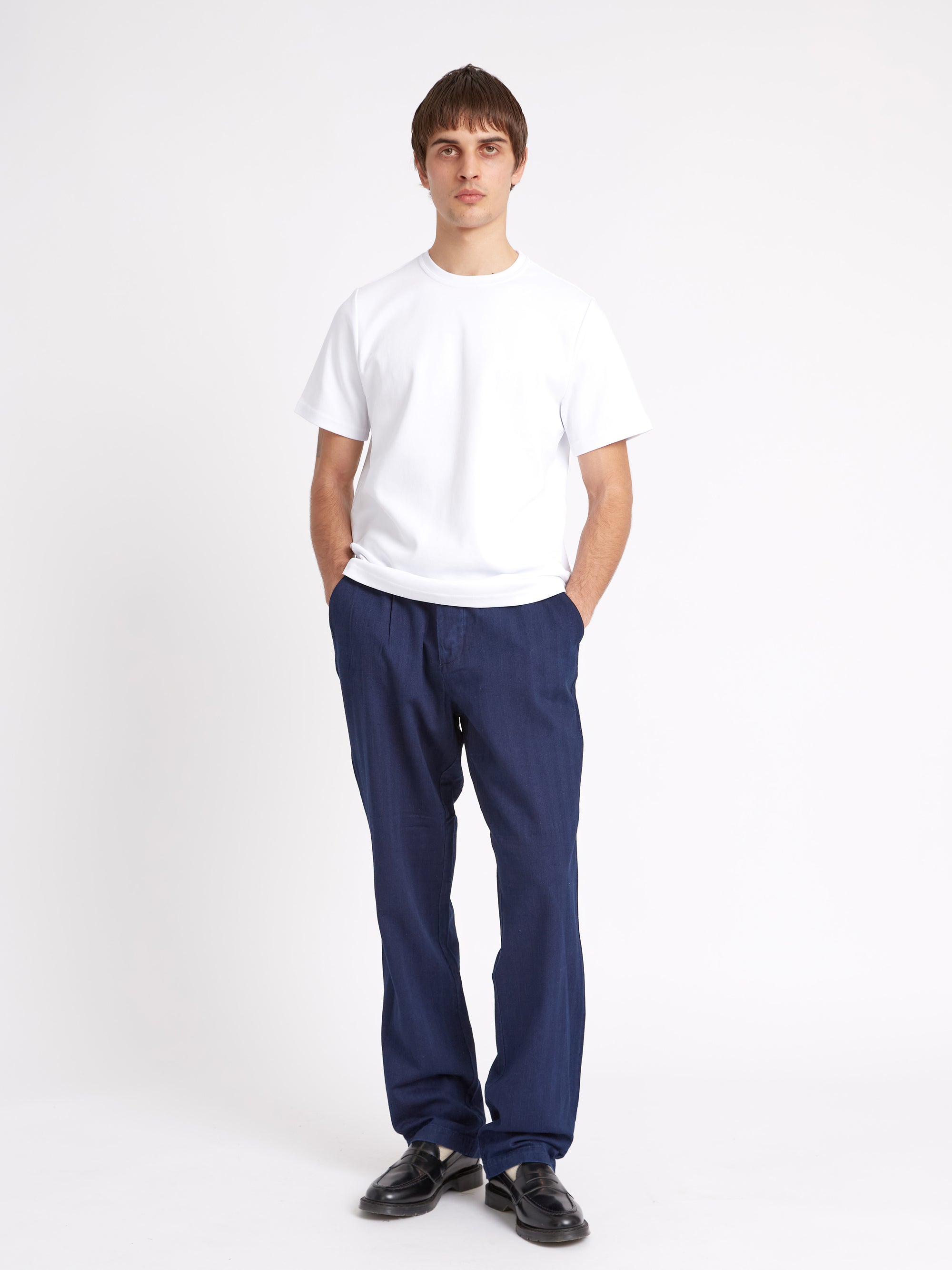
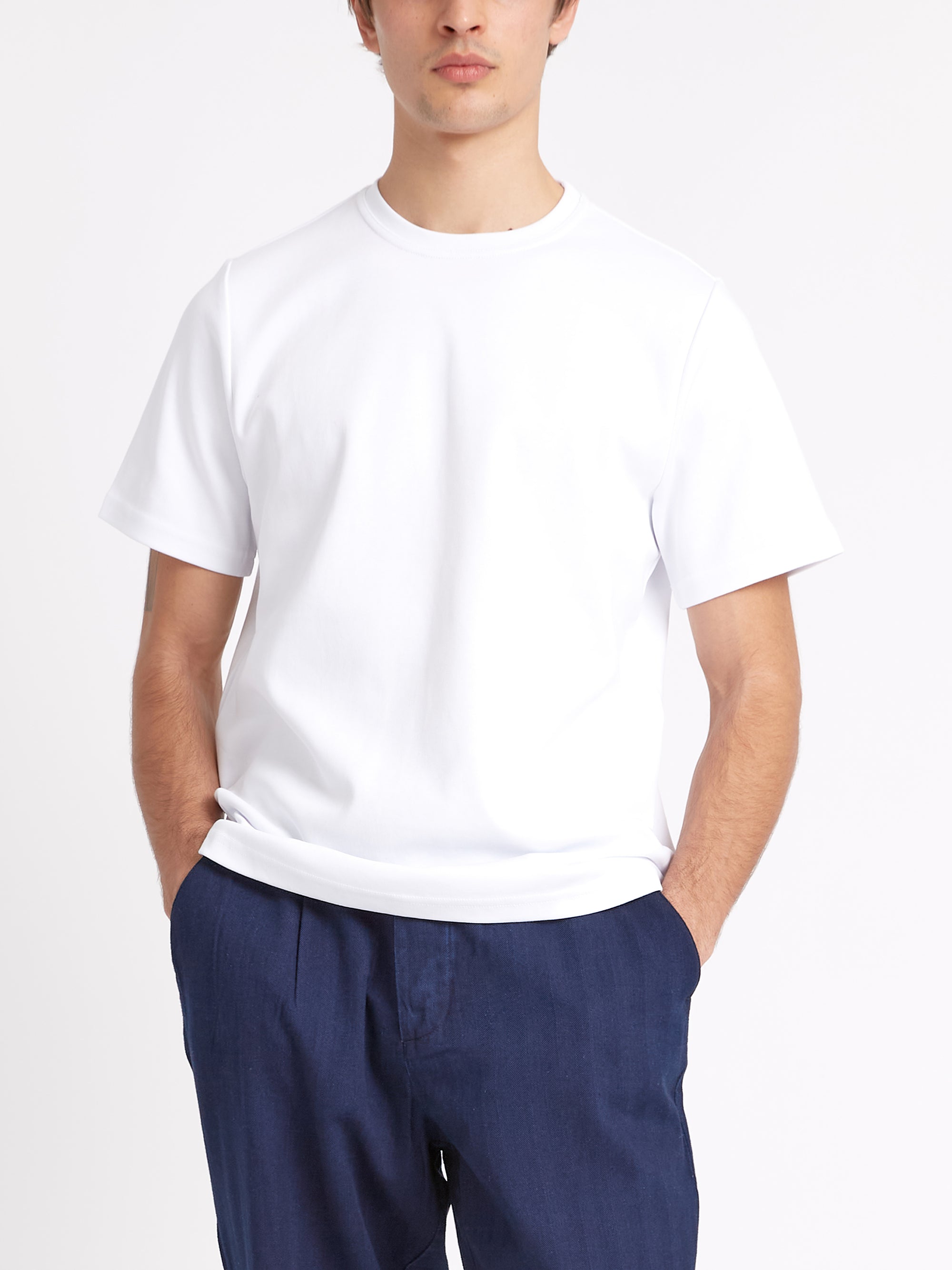
Worn by Nick


SLOP has developed such a distinctive voice and aesthetic over its first ten issues. What was the original vision when you and Nicolas launched it, and how has that vision evolved?
Jack: I’m not sure there was a vision! In terms of the voice, that’s something we’ve found as we’ve gone along, it’s an extension of who we both are so I think the tone of voice is really authentic to Nicolas and I. Aesthetically, we work really closely with All Purpose Studio on the design language and feel of the magazine. Without them, none of it would be possible.

Nick: Being independent gave us the privilege of saying, ‘if we think it’s interesting, we should write about it.’ So much of wanting to do it in the first place was a huge gap in food writing, where people would write about restaurants on one end and there was some trade on the other, but it felt like no one ever mentioned produce, farmers or independent food retailers. Especially after Covid, interest had never been higher.

What have been the biggest lessons from launching a new physical magazine?

Jack: Making magazines is hard work, but it’s also so rewarding. I think one of the main things we've learnt is to trust our instincts on creative projects and partnerships, and we’ve also had to learn on the job the actual nuts and bolts of making magazines, working with brands and commissioning photographers in a way that feels right for SLOP. Probably the most important thing we’ve learnt is where is best in London to go for a big lunch.

Nick: No matter how many times you’ve proofed it, there’s always a mistake.

Portrait of subject Editorial detail or environment
Worn by Jack


Tell us about the new Forest Issue. What drew you to this theme, and what surprised or moved you most while exploring the connection between woodlands, landscapes, and the food we eat?

A constant theme in every issue we’ve made has been the relationship between place and produce, how the landscape, geography, weather and culture shape the food we eat, and vice versa. In terms of the Forest, it isn’t somewhere that most people associate with food production, so that was something we were really interested to explore.

There are two stories that stand out for me. Firstly, a look at the woodland feasts held in Sardinia, where volunteers come together as they’re watching out for wildfires. And secondly, I’ve been telling everyone about an apple eau de vie that’s mentioned in the magazine, which is made using apples from an orchard of 1,000 varieties grown as 1,000 trees.

Where do you see the overlap between thoughtful menswear, personal style, and the kind of mindful food culture that SLOP champions?

Jack: I think it all comes from the same place, it’s caring about where things come from, caring who made them and how they ended up as they are. Nicolas and I feel the same about that whether it’s the food we eat, the wine we drink or the clothes we wear.

Nick: I totally agree, there’s a sense of caring about craft, whether that’s the coffee you're drinking, the design of the building you’re drinking it in or the trousers you’re wearing while you’re doing it, they all share a philosophy.

Older Post Newer Post

Recent Articles

RSS
A Summer Grade Of Suede

A Summer Grade Of Suede

The latest Solovair x Oliver Spencer suede styles are summer shoes with substance: soft, air-cushioned underfoot, rich in texture, and grounded in more than a...

Read more
The Journey, Not The Destination: The New Airport Style

The Journey, Not The Destination: The New Airport Style

Discover a modern take on 1970s airport style, built around breathable tropical wool tailoring and effortless layers that move seamlessly from departure gate to arrival...

Read more